Wurstelprater Culture Now Intangible UNESCO Cultural Heritage
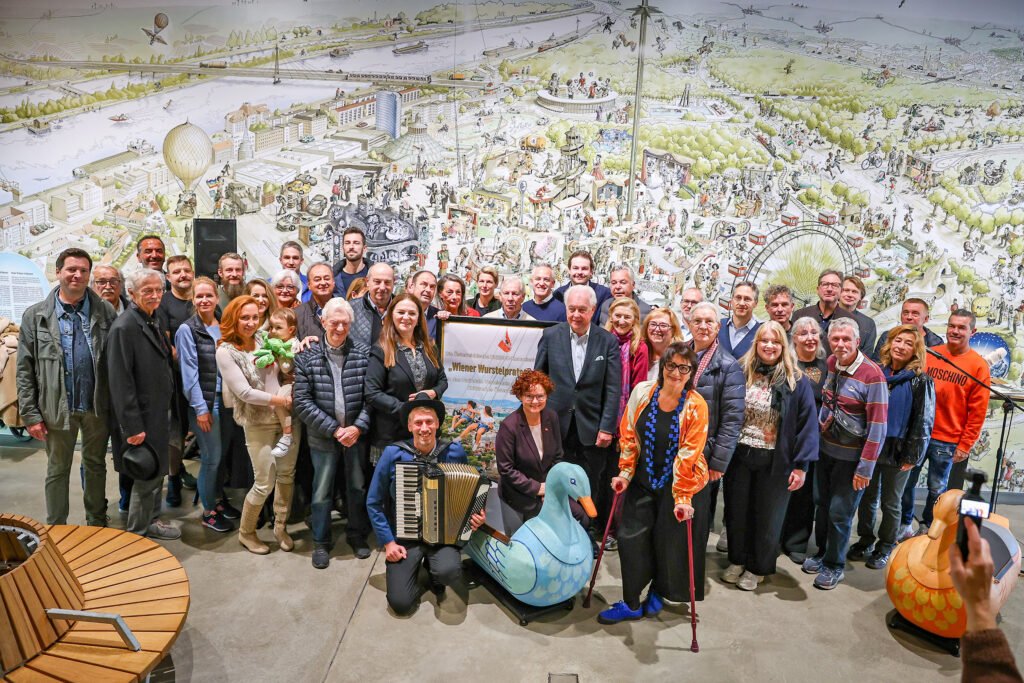
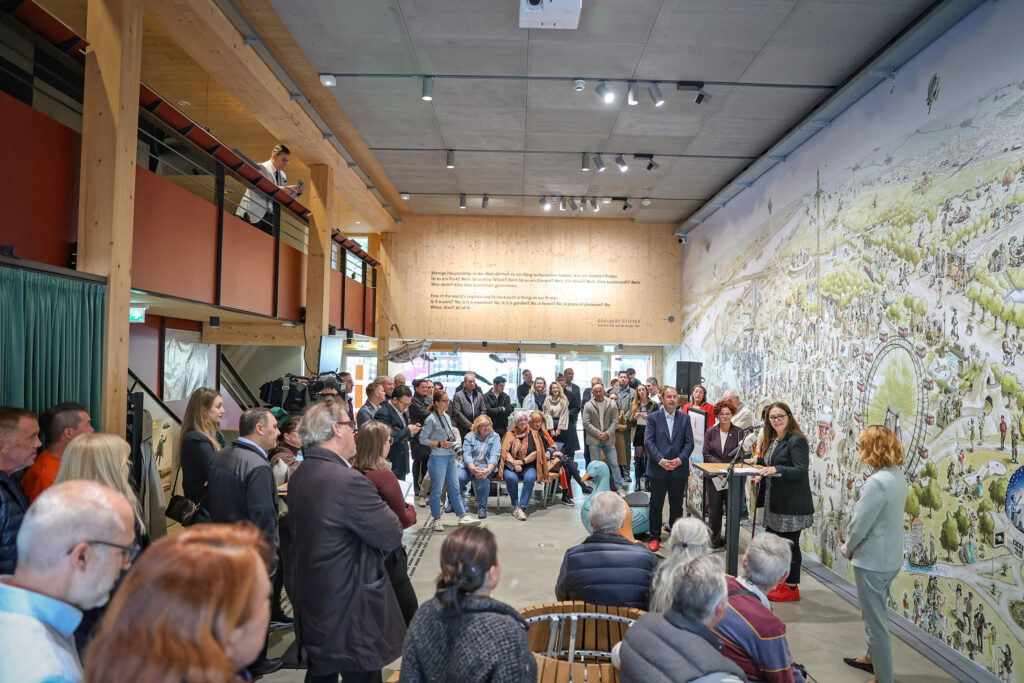
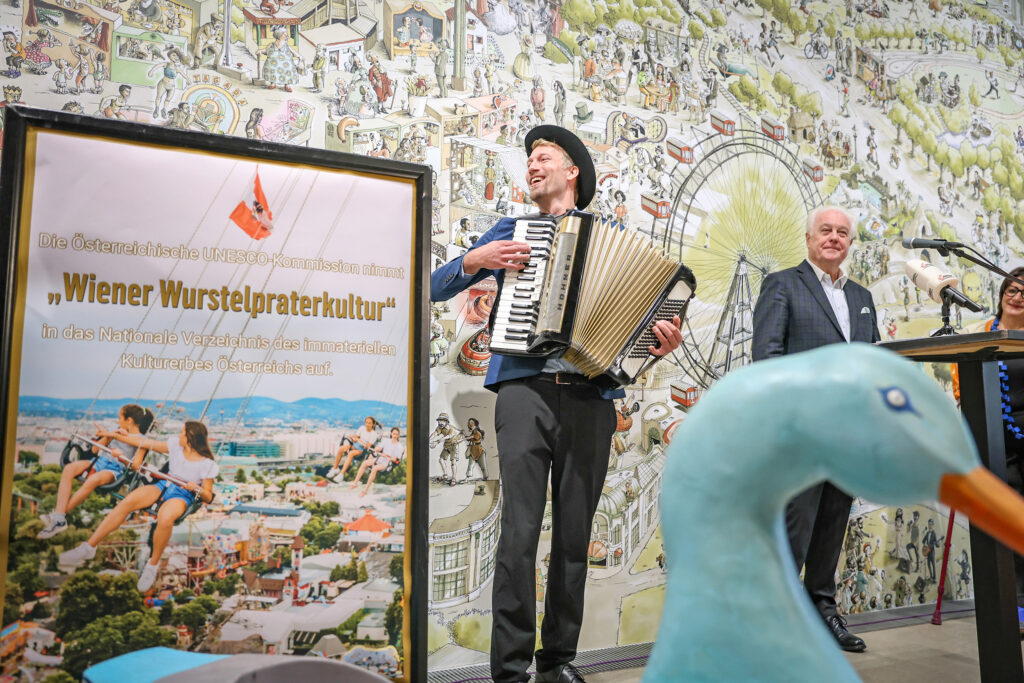
On October 17th, 2026 – the International Day of Intangible Cultural Heritage – it became official: the Austrian Commission for UNESCO has inscribed the culture of the Wiener Wurstelprater into the National Inventory of Intangible Cultural Heritage!
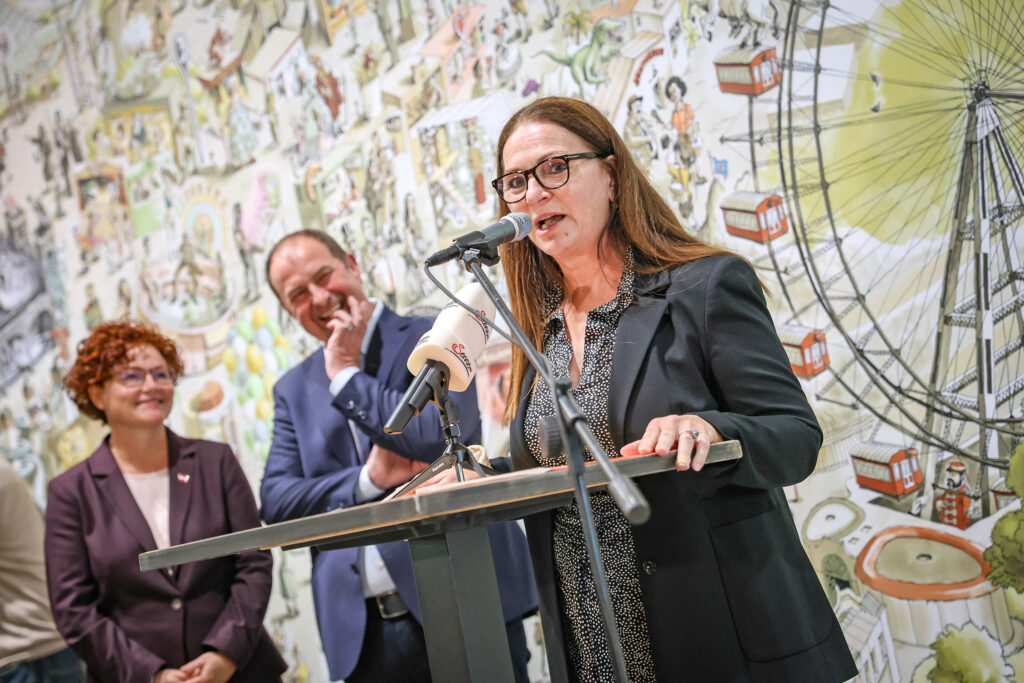
The idea to honor this cultural asset was conceived nearly two years ago. The recognition of the Wiener Wurstelprater culture as an element of intangible cultural heritage in Austria serves as a wonderful highlight of the 260th-anniversary year of the Wiener Prater. "We see this as a tribute to our past, but, more importantly, as a tailwind for the future," emphasizes Silvia Lang, President of the Wiener Praterverband (Vienna Prater Association).
The Prater Association extends its deepest gratitude to all those who supported the application: the Prater families, the entire Prater Association team, and, in particular, Dr. Ursula Storch and Dr. Werner Michael Schwarz, who provided valuable expert testimonials in support of the bid.
What is the Wiener Wurstelpraterkultur?
As the name suggests, it is expressly not about the Wurstelprater as a place, but rather about the knowledge surrounding the culture of fun cultivated in the Wurstelprater. Since 1766 it has been passed down from generation to generation and treasured. The Wurstelprater culture is characterized by a dynamic interplay of many unique aspects. In addition to the unusual and special life of the Prater operators, the social significance also plays a major role. The Wurstelprater culture has always enabled and lived the encounter between people – young meets old, tourists meet locals, brave meets relaxed, money meets thrift, bachelor parties meet school classes, colorful meets conservative, operators meet visitors,...
Whether on a family outing, at religious festivals or at a get-together in the bars – in the Prater, visitors take a break from everyday life. That's why the Wurstelprater culture also includes the knowledge of the operators, their specific feeling for the visitors, the typical Viennese hospitality and the proverbial Wiener Schmäh (Viennese humor). The importance of the Wurstelprater extends far beyond the place itself – more than 300 pieces of music, literary works and international film classics underline the charisma of the place.
"The Wurstelprater has always been a place for everyone. People of different generations and backgrounds come together here to spend a good time together. This openness is just as much a part of our Wurstelprater culture as our family stories and our knowledge of showmanship," explains Silvia Lang, pointing out that many family businesses have not only worked in the Wurstelprater for generations, but also live here. "Children grow up here, learn from their parents and grandparents and develop this knowledge further. At the same time, we always have to keep our finger on the pulse of the times and reinvent ourselves every era. It is precisely this combination of tradition and constant development that shapes the Wurstelprater culture."
What is an Intangible Cultural Heritage?
Intangible cultural heritage is living heritage. It encompasses everything from oral traditions, performing arts, social rituals, and festivals to knowledge about nature or traditional craftsmanship. It is rooted in human knowledge and skills, passed down from one generation to the next. Intangible cultural heritage shapes how people live together in society and makes a significant contribution to the sustainable development of communities. It is precisely this that makes it worthy of recognition and protection.
You can explore this topic further and browse the register on the UNESCO website: Intangible Cultural Heritage at unesco.at
Words of Appreciation
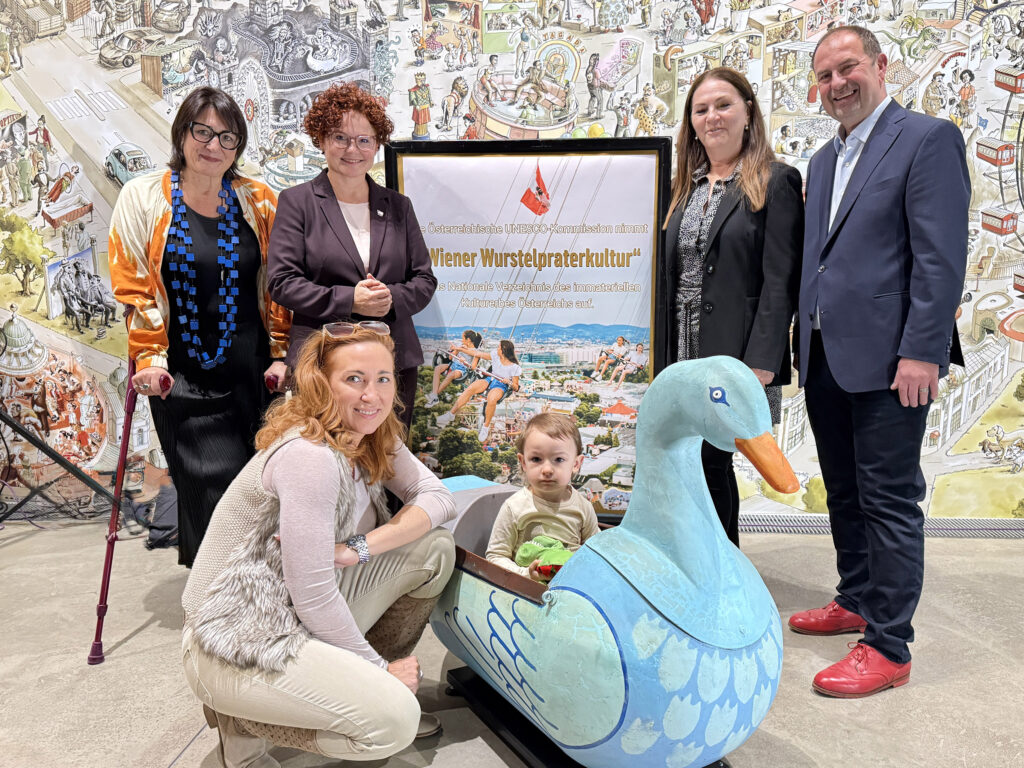
There is also great delight from politicians and official representatives:
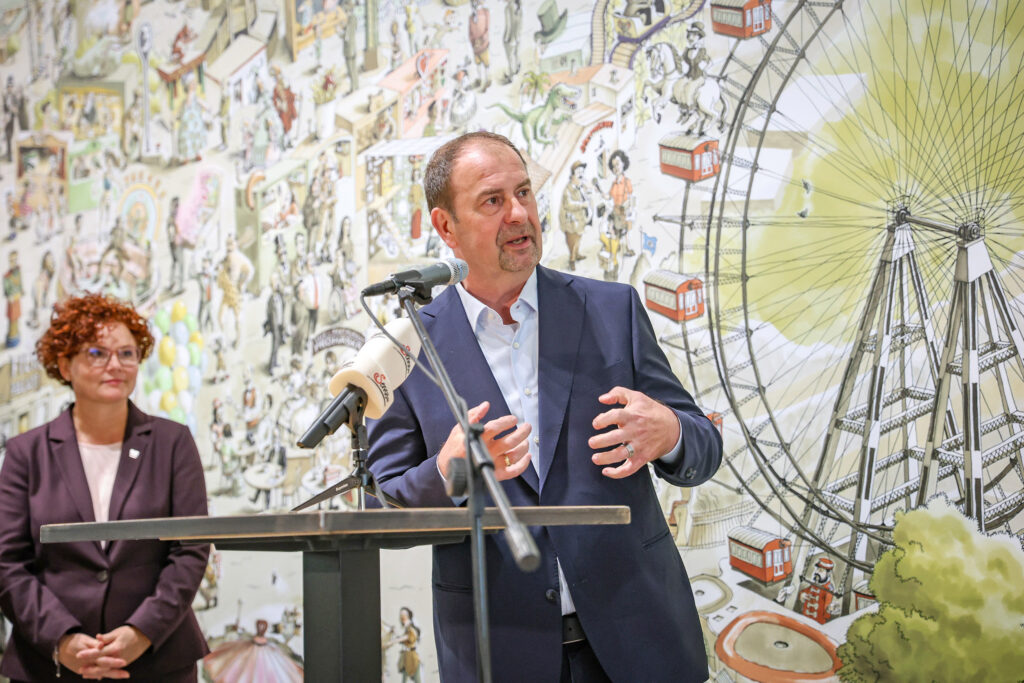
The Viennese Wurstelprater embodies a unique spirit of life that cannot be found anywhere else. Behind it are the Prater families, who have passed down traditions through generations, dared to innovate, and welcomed people from all over the world. Its recognition as intangible cultural heritage is, above all, a tribute to them.
Elisabeth Zehetner, Austria's State Secretary for Tourism
This is a remarkable distinction with international resonance—and, what’s more, a wonderful birthday gift for its 260th anniversary. The Prater is far more than just a leisure attraction. It is a major employer, home to numerous family-run businesses, and a place where tradition, entrepreneurial spirit, and a zest for life have been passed down for generations.
Barbara Novak, Deputy Mayor of Vienna and Executive City Councilor for Finance, Economy, Labor, International Affairs, and Digitalization
What is being honored is not the Prater as a physical location, but rather the vibrant culture that defines it: the knowledge, the practices, and the interplay between the operators and the visitors. For generations, the Wurstelprater has been sustained by families of showpeople and operators who pass on their skills and experience; together with the visitors, they create that special "Prater atmosphere" that makes Vienna so distinctive. Furthermore, the Prater Museum makes an important contribution by highlighting the history, diversity, and significance of Wurstelprater culture.
Veronica Kaup-Hasler, Executive City Councilor for Culture and Science
I am very pleased that the culture of the Viennese Wurstelprater is now receiving the recognition it undoubtedly deserves. Vienna and the Leopoldstadt district would not be the same without the Prater.
Alexander Nikolai, District Head of Leopoldstadt
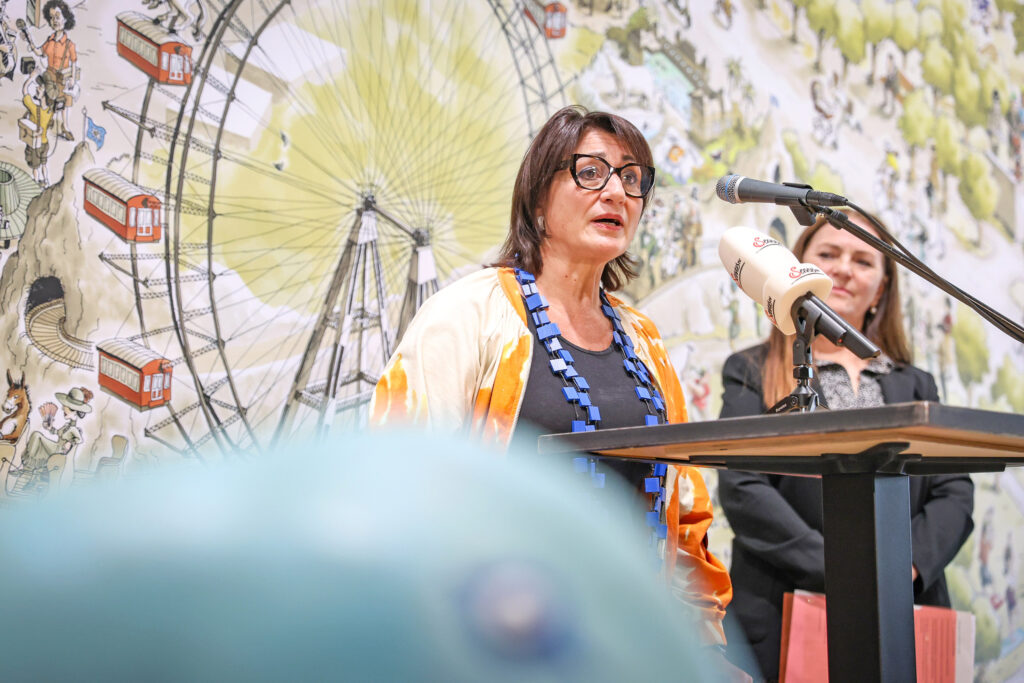
We are delighted that the Austrian Commission for UNESCO has recognized the culture of the Viennese "Wurstelprater" (amusement park) as an intangible cultural heritage. It is precisely these unique cultural assets and traditions that play a decisive role in shaping Vienna’s success as a tourism destination.
Norbert Kettner, Managing Director of the Vienna Tourist Board
Photocredits: Stadt Wien/Rene Wallentin; Philipp Neuherz